MANAGING A RESTORATIVE CLASSROOM TRAINING

Welcome back. You're making real progress.

Welcome to our complementary resources page. Below are key Takeaways and Downloadable Resources that support our training sessions.

Your Implementation Hub

The focus is on executing the work, establishing expectations, supporting staff, addressing challenges as they arise, and maintaining consistency across settings.

Implementation Path

Begin The Work

Start with the two-day session In-person  Overview Key Takeaways to clarify expectations and align your approach.

Begin Implementing With Just One Student

Begin applying the strategies through your systems, staff communication, and daily structures.

Use Key Takeaways to Guide Decisions

The Key Takeaways for both strategies are designed to guide decision-making as situations arise, not as standalone learning modules.

Keep It Going

Use the downloadable resources to support staff, maintain alignment, and ensure consistency across your campus.

Training Overview

3Ts (Tag Out, Time Out, Take Out)
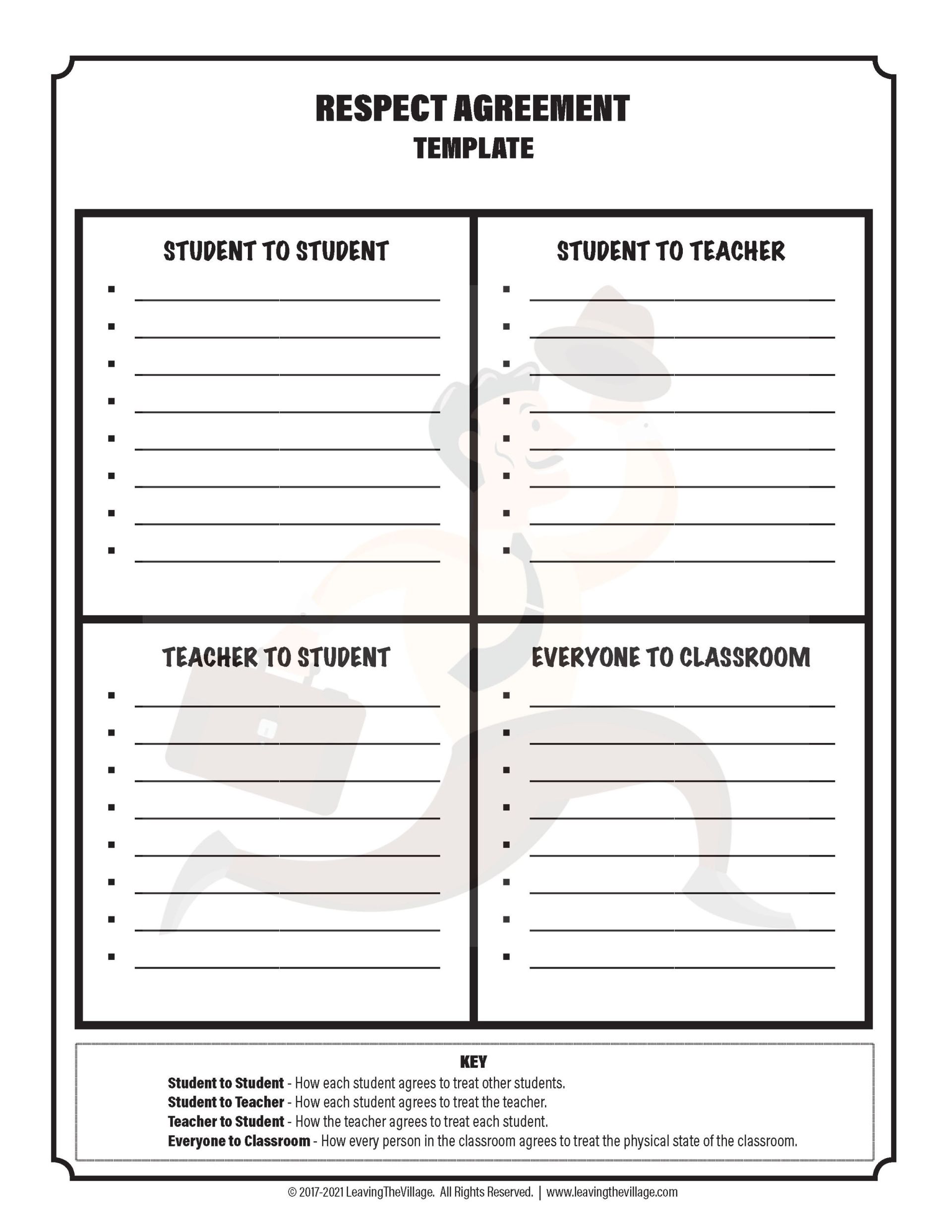
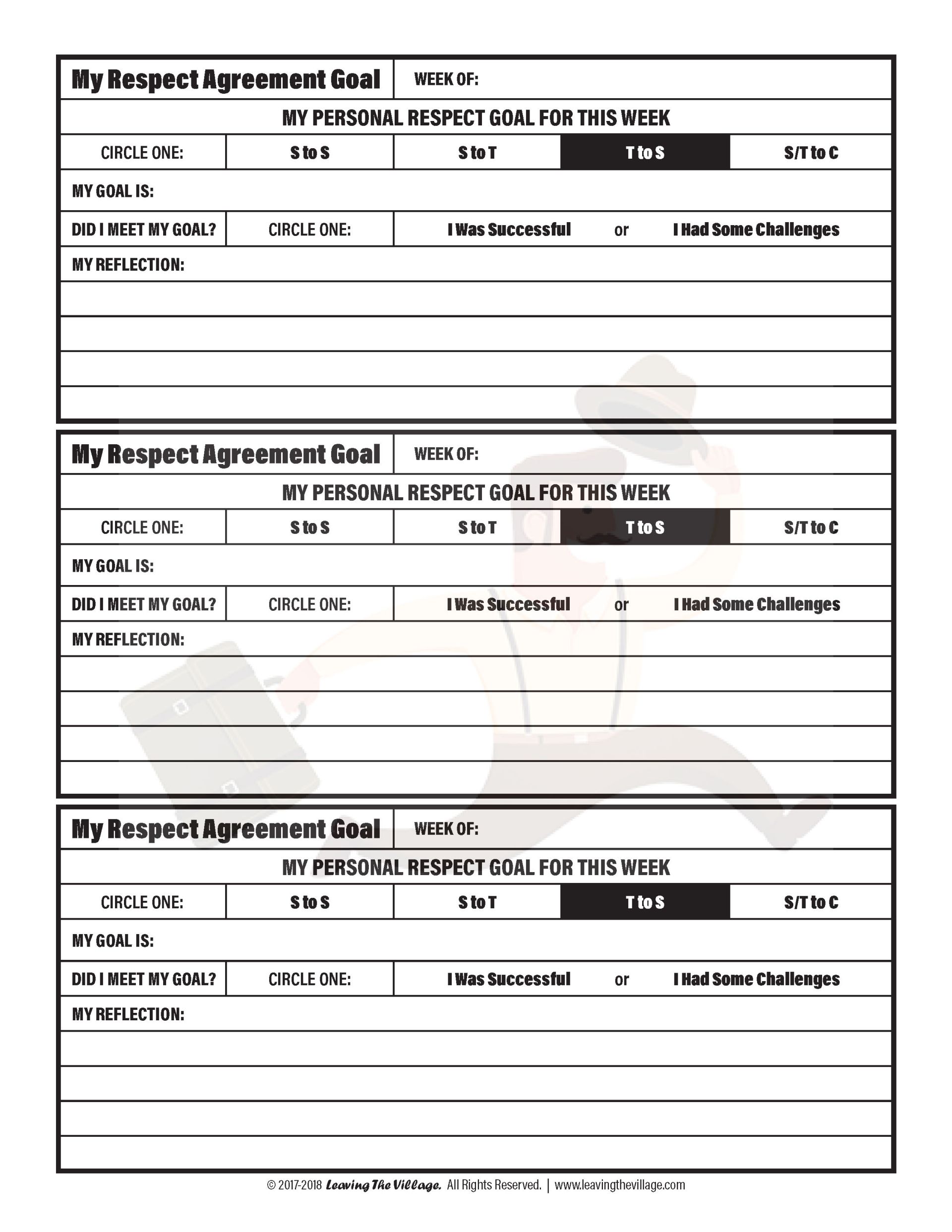
Respect Agreements

What It Is

A shared agreement, built by the whole class, for how people will treat one another. It covers the everyday friction and pet peeves that classroom rules were never designed to handle.

The Problem It Solves

Most classroom conflict doesn't come from students breaking big rules — it comes from people getting on each other's nerves. Rules don't reach that layer. A Respect Agreement does.

Why It Matters

People honor what they help create. When a class builds and signs its own agreement, it carries a weight that a posted set of rules never will.

Core Principles

  • It has to be built together. A teacher who writes it alone and hangs it up has made a poster, not an agreement.
  • The conversation is the real work — the document on the wall is just the reminder of it.
  • Context is what changes behavior. Knowing why something matters to someone moves people in a way a rule never does.
  • Everyone signs it, including the adults. The teacher is held to it too.

Important Distinctions

  • Breaking a rule breaks a policy. Breaking this agreement breaks a person — so the response is making it right, not a standard penalty.
  • It's not a rules chart with a friendlier name. Rules come from the adult; this comes from the group.
  • Students' own words matter, even when the tone isn't polished. Cleaning up their language quietly strips their ownership.

Common Misconceptions

  • That the teacher can create it and have students agree to it later. That's backwards — the creating is the point.
  • That a signed agreement means no one will ever cross it. It means that when someone does, there's a shared standard to point back to.

What Successful Implementation Looks Like

  • A class that holds its own norms because they helped set them.
  • Conflict handled by naming the harm and making it right, not by reflexive punishment.
  • Adults held to the same standard they hold students to.

The Mindset

Buy-in comes from ownership. People live up to what they built and put their name on.

Key Takeaways

  • It handles what rules can't — how people treat each other.
  • Built together, or it doesn't work.
  • The conversation matters more than the poster.
  • Everyone signs, adults included.
  • Repair the harm; don't just punish the act.

What It Is

Three moves for the heat of the moment, Tag Out, Time Out, and Take Out, that create space to calm down before anyone makes a discipline decision.

The Problem It Solves

The worst discipline decisions get made while people are still upset. The 3Ts interrupt that, so a small moment doesn't turn into a removal you'd regret once you cool off.

Why It Matters

Emotion clouds judgment, the adult's as much as the student's. Getting to calm first is what keeps minor incidents from climbing into referrals and suspensions.

Core Principles

  • Tag Out is for the adult: when you're the one escalating, hand it off. The grown-up is often the one who needs to step back.
  • Time Out is space for the student to cool off. Space, not a punishment.
  • Take Out changes the setting so a student isn't performing for an audience they can't back down in front of.
  • Accountability still happens. It just waits until everyone is calm.

Important Distinctions

  • None of the 3Ts is a consequence. They're what happens before the consequence, not instead of it.
  • Calming down is not the same as letting it go. The conversation about the behavior still comes.

Common Misconceptions

  • That this is "soft" or letting kids off the hook. It's the opposite — it protects your judgment and your options.
  • That Time Out is a punishment. The moment it becomes one, it stops working.

What Successful Implementation Looks Like

  • Fewer flare-ups climbing into office referrals.
  • Adults who catch themselves before they escalate a situation.
  • Consequences that come from a clear head, not a hot one.

The Mindset

Regulate first, decide second. The pause isn't a delay, it's a strategy.

Key Takeaways

  • Buy time before you make a call.
  • Check yourself before you check the student.
  • Space now, accountability later.
  • Calm decisions hold; hot ones fall apart.
Write your awesome label here.

ALTERNATIVES TO SUSPENSION TRAINING KEY TAKEAWAYS

Teacher-Student Conflicts
Key Takeaways

A summary of the core ideas for the strategy to address Teacher-Student Conflicts. 

Use this resource to guide how student conflicts are addressed across your campus.

Focus on consistency in adult responses and clarity in expectations.

Implementation Tools for Your Campus
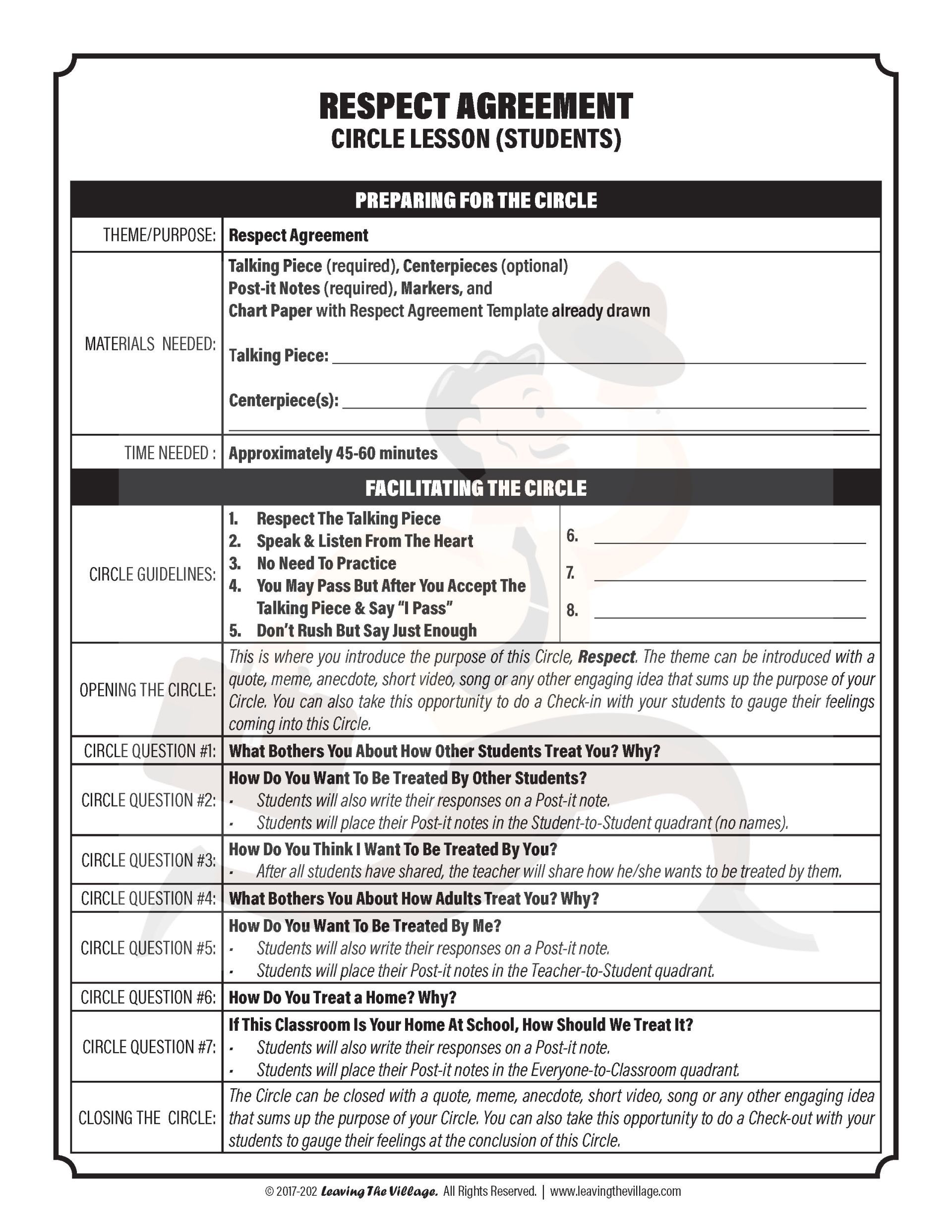
These tools are designed to support staff, reinforce expectations, and maintain consistency during implementation.